Your help center,
as watchable as it is readable.
Nobody reads a wall of text to find one button. We turn your help articles into short, branded tutorial videos, and we keep them current every time your product changes.
Send us your help center and we will make one on your product at no cost, usually back within a day. Then tell us honestly whether it is any good.
The problem
Your docs are fine. People still open a ticket.
Written help centers ask a confused user to translate paragraphs into clicks. Most give up halfway and message support instead. That is not a documentation problem, it is a format problem.
Text is slow to follow
A user stuck on step four has to re-read from step one. A video shows them exactly where the button is and what happens after they press it.
Recording it yourself is a project
Script, record, re-record, edit, add voice, keep the branding consistent. One good video eats an afternoon. A few hundred articles is not happening.
Videos rot when the product ships
You redesign a screen and every video showing it is quietly wrong. Most teams stop making them for exactly this reason.
The research
People want to solve it themselves. Text is what stops them.
Your users are not avoiding your help center. They are starting there and giving up, then costing you a support contact instead.
of customers try to solve the problem themselves before they contact a human.
Harvard Business Review, 2017of service issues actually get fully resolved in self-service. The other 86 percent become tickets.
Gartner, 2024, 5,728 customerswould most like to learn about a product from a short video. Only 12 percent choose a text article.
Wyzowl, 2026more expensive to answer a question live than in self-service. Roughly $8.01 against $0.10 per contact.
Gartner, 2019So the demand for self-service is settled, and so is the fact that text is failing it. What is not settled is whether video is the right answer, because nobody has published a proper measurement of it. We think it is, and we say why further down. We would rather tell you that than pretend the question is closed.
Sample work
Four real articles, four finished videos.
We picked these help centers ourselves and produced the videos unprompted. No brief, no access to their team, nothing but the public article. This is the same thing we will do with yours.
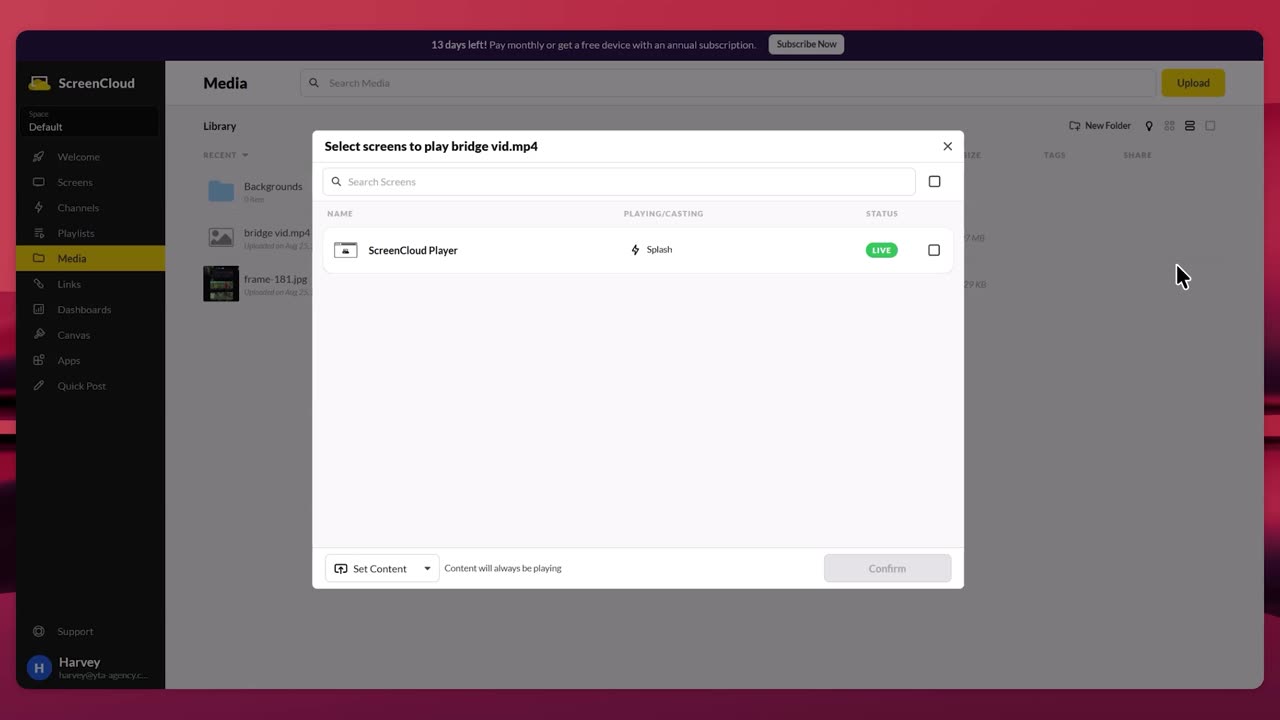
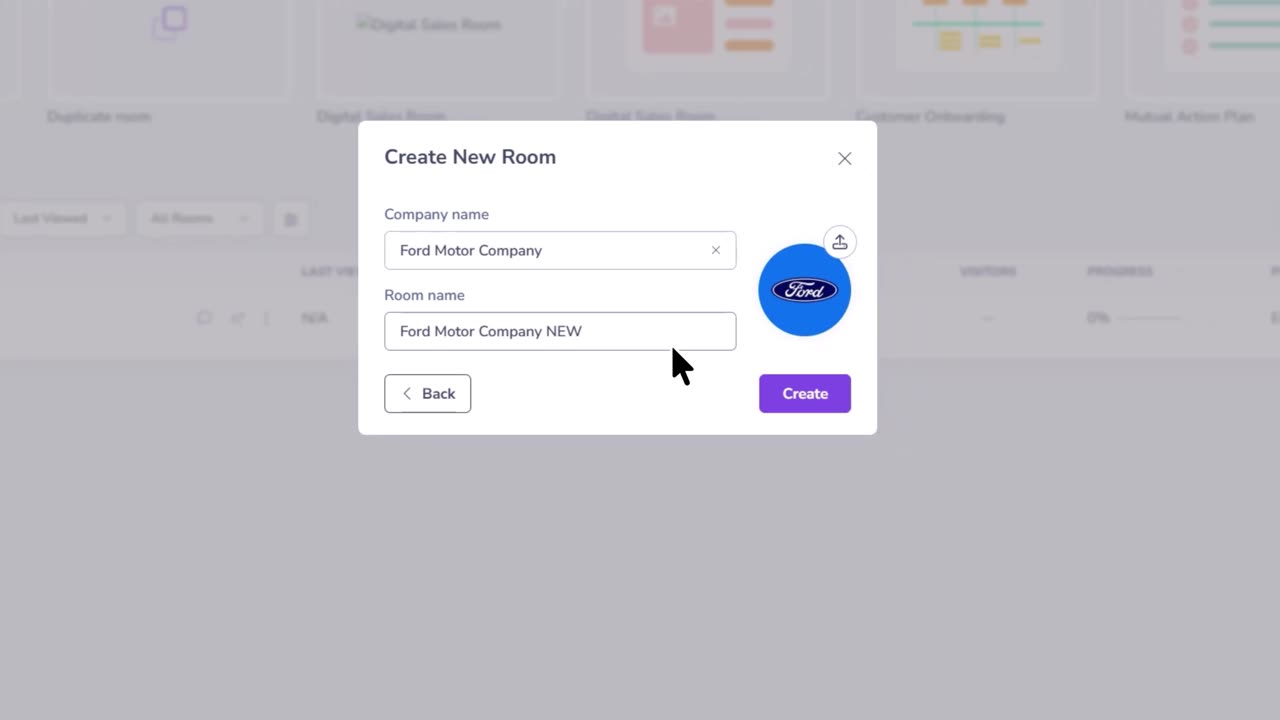
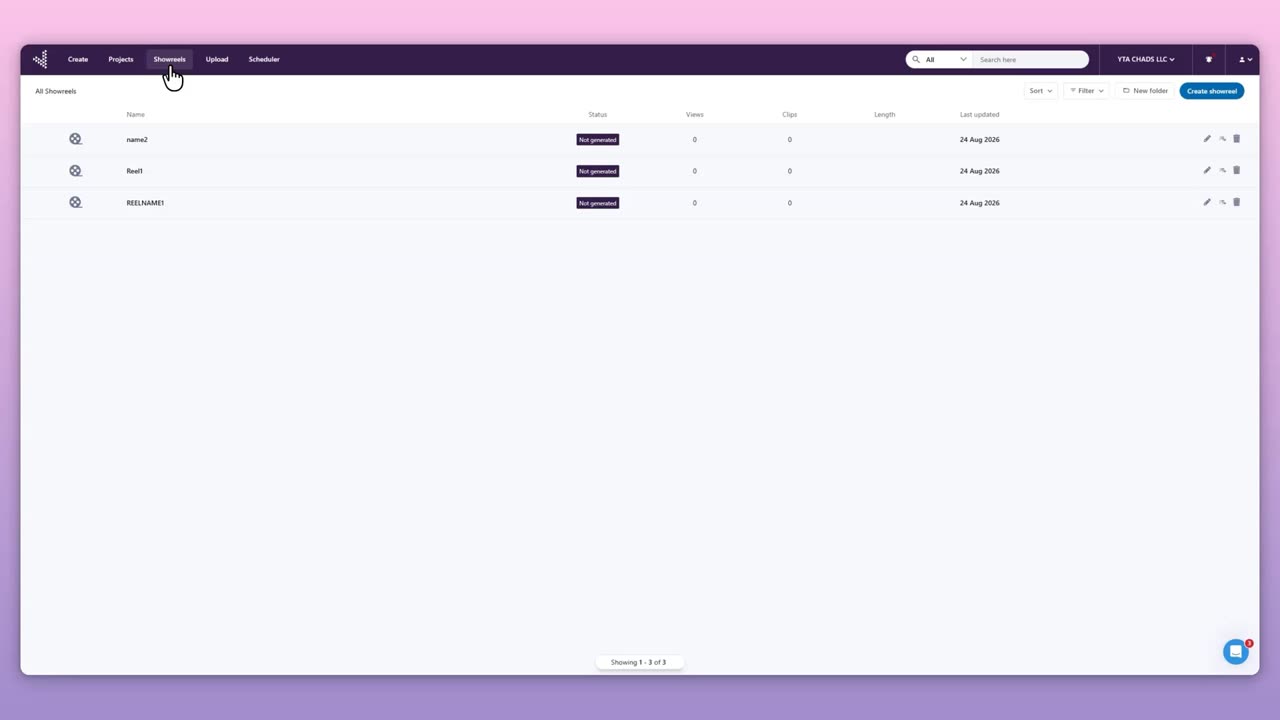
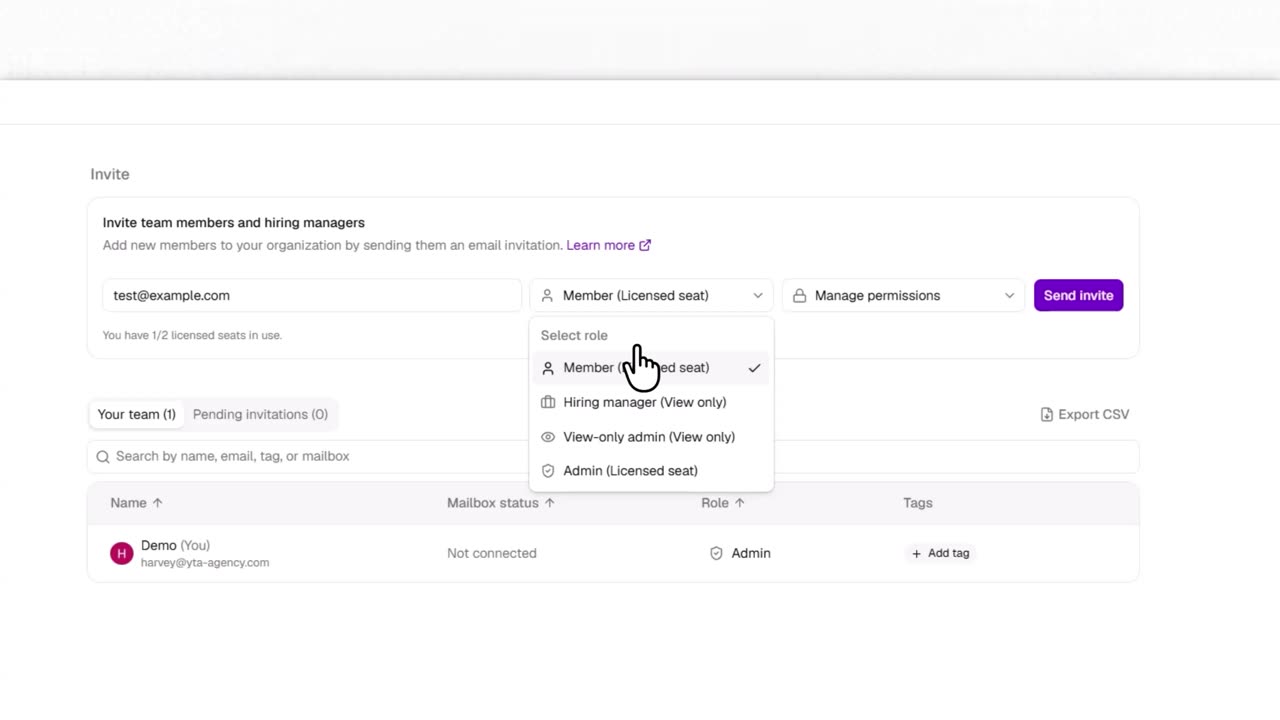
Note on these samples. Juicebox, ScreenCloud, Aligned and Voxpopme are not clients. We built these from their public help centers to show what the finished work looks like, and each one is embedded in a copy of the real article so you can see it in context.
Who we are
We are not a software company. We are the people who make the videos.
Screenside came out of YouTube. We spent years working out how to produce watchable, searchable video at volume and at very low cost. Help centers are where we think that is worth the most, so we pointed it here.
What we know we can do
Produce a branded, narrated, properly edited guide video for a fraction of what it costs anyone else, and do hundreds of them without your team touching anything. The samples above are that, not a mockup.
What we believe
That showing someone the click beats describing it. And that a video sitting inside the article they already opened gets watched, where a separate video library quietly does not.
What nobody knows yet
No one has published a real measurement of what video does to support ticket volume. The research proves people try to self-serve and that it usually fails them. It does not prove our answer is the right one.
We would rather be corrected than agreed with.
Right now we are trying to answer a straightforward question: is this actually worth anything to a software company? We think it is, and we would rather find out from you than keep guessing.
So we are making videos at no cost, on real help centers, to see what happens. If we are wrong about this, we want to know early. If we are right, the companies who helped us find out get the benefit first.
How it works
You send a link. We send finished videos.
There is nothing for your team to install, script, record or edit. We handle production end to end.
Send us your help center
A URL and a trial account is enough to start. We read your articles, learn your product and agree the first batch with you.
We produce and you approve
The first video sets the style: your colours, your logo, your voice and your terminology. Once you sign off on it, every video after that matches.
We keep them current
Ship a release and tell us what changed. We rebuild the affected videos inside a day, so your help center is right again before most of your users have noticed the update.
What you get
Built for whole help centers, not one video at a time.
Volume is the point
Tools charge per seat and cap how much you can export, which punishes you for covering everything. We are built for hundreds of articles, because a help center is only useful when all of it is covered.
Your brand, locked in
Colours, logo, fonts, voice and the words you use for your own features. Approved once, applied to everything.
One release, many guides
Send us a single walkthrough of a new release and we split it into a video for each feature it touches.
Ready to publish anywhere
MP4 files with captions, chapters and titles, so they drop straight into your help center, your product or YouTube.
Found in search
We come from YouTube search. Your guides get titles and descriptions written to be found by people looking for the answer, not just by people already inside your docs.
No work for your team
No software to learn, no recordings to make, no editor to hire. You review and approve, we do the rest.
What is at stake
Fewer tickets is the smallest of the four.
Support cost is the benefit that is easiest to measure, so it gets all the attention. The research says the expensive part is what happens to the customer who never got their answer. These are the mechanisms, evidenced below. What we cannot yet tell you is how much of each we move, which is exactly what we are trying to find out.
Every unanswered question becomes a paid conversation
When the help center does not land, people pick up the phone. That is the single most common failure in customer service, and it is the one you pay for directly, on every single occurrence.
57% of customers report having to switch from the web to the phone, at roughly $8.01 a contact against $0.10 in self-service. CEB, 2010 and Gartner, 2019
Service is where loyalty gets lost, not won
People choose you for the product. They leave over the experience of getting stuck. A customer who cannot work out how to use the feature they are paying for does not file a complaint, they quietly stop renewing.
Customers are four times more likely to leave a service interaction disloyal than loyal, and service accounts for most of what drives customers away. CEB, 75,000 customers
The customers who understand the product buy more of it
Loyalty is not only about staying. In the same research it means intending to keep buying, to spend more, and to speak well of you. A user who never found the advanced feature will never upgrade to the plan that includes it.
Reducing the effort a customer spends is a stronger predictor of all three than trying to exceed their expectations. Harvard Business Review, 2010
Effort is the number people are actually rating
Satisfaction scores follow how hard you made someone work. Showing a person the click instead of describing it is the cheapest reduction in effort available to you, and it works for the users whose first language is not yours.
Companies that cut customer effort see fewer repeat contacts and higher loyalty than those that chase delight. Harvard Business Review, 2010
“Travelocity reduced customer effort just by improving the help section of its website. It had learned that many customers who sought solutions there were stymied and resorted to the phone.”
Harvard Business Review, Stop Trying to Delight Your Customers, 2010
They fixed it by removing jargon and simplifying the layout, and total call volume fell 5%. At ten thousand support contacts a month, that is roughly $48,000 a year from a copy edit. Treat it as the floor. Rewriting the words is the smallest possible version of this. We are showing people the screen.
Practical questions
The things you would ask on a call anyway.
How do you record inside our product?
We need a working account, usually a trial or a sandbox with dummy data. We read your public help center to work out what to cover, then record the actual workflows ourselves.
Is our data safe?
We work in a test account with made up data and never touch real customer records. We are happy to sign an NDA before you give us anything.
What do you need from your side?
A help center URL, a login, and one person to approve the first video so we can lock the style. After that we do not need your team.
How long does it take?
Usually inside 24 hours, often the same day. The first one sets your branding, voice and terminology, so it needs your sign off. After that we work in batches and turnaround stays about the same.
What happens when we redesign a screen?
Tell us what changed and we rebuild the affected videos. No per video charge and no cap on how often. Keeping them current is the point, not an upsell.
We already use a tool like Clueso or Guidde.
Those are good tools and they are not really the same thing. They give your team software and your team still has to do the recording, scripting, editing and publishing. We do the work.
Do we own the videos?
Yes. Plain MP4 files with captions and chapters. Put them in your help center, in your product, on YouTube, anywhere you like.
What is the catch?
There is not one yet. We are working out whether this is genuinely valuable to companies like yours, and the fastest way to find out is to make you something and ask.
Tell us if we are wrong.
Send us your help center. We will pick an article, make the video, and send it over. Then tell us honestly whether it is worth anything to you. That answer is the thing we are actually after.
No pitch and no pricing. We are working out whether this is worth building properly, and an honest read is more useful to us than a sale.